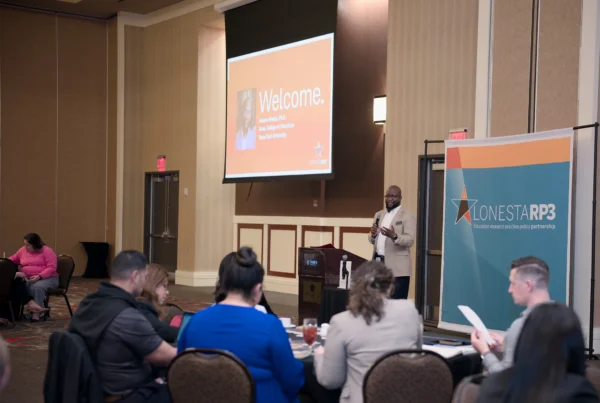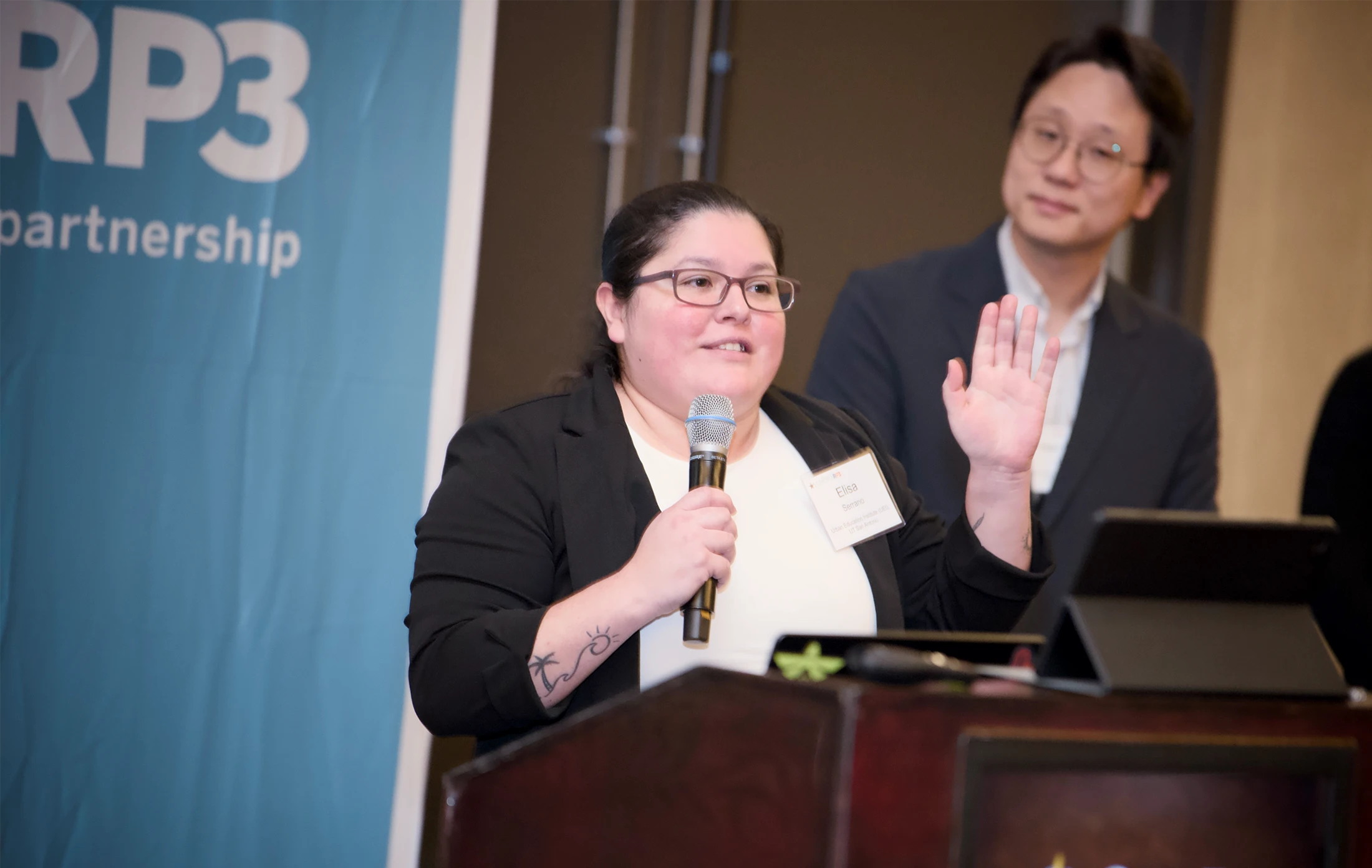
At our February convening in Lubbock, each of LONESTARP3’s four Pathways Research Collaboratives shared updates on their investigations. Using a structured 3–2–1 reflection protocol, each strand offered early insights, engagement lessons, and next steps. Together, their updates reflect the strength of rigorous, cross-sector research grounded in Texas communities.
Academic and Career Advising
College and Career Advising Program (CAP) Directory and Portal
The Advising Collaborative is mapping the landscape of college and career advising supports across Texas schools. With more than 100 college access programs and youth-serving organizations operating statewide, the team is developing what will become the “Texas CAP Map”—a community-maintained directory designed to clarify partnerships and strengthen research on advising models.
State agencies, Education Service Centers, and advising organizations have already played a critical role in shaping the effort. As the project moves into its next phase, the collaborative is focused on building buy-in and ensuring the tool provides meaningful value back to the field.
Dual Credit Academic and Workforce Education
Student Selection of Early College Programs
The Dual Credit Collaborative is examining the availability and utilization of dual credit as well as how it compares to AP and IB as early college options. Early findings show that dual credit participation continues to expand—particularly in rural areas—while AP remains concentrated in major urban settings. For many remote rural students, dual credit serves as the primary early college pathway.
The team is also exploring how teacher credentialing, advising capacity, and geographic context shape student participation. By engaging higher education institutions and school districts across the state, the collaborative is building a clearer picture of how local implementation influences access and outcomes.
Workforce-Aligned Instruction
Industry-based Certifications
This collaborative is investigating how well Industry-Based Certifications (IBCs) prepare students to enter the workforce. Early quantitative analysis suggests that alignment between IBCs and Career and Technical Education coursework has increased statewide in recent years. At the same time, qualitative evidence across regions highlights the importance of advising, soft skills development, bilingualism as an asset, and stronger industry partnerships.
Next steps include deepening regional analyses and strengthening connections between certification pathways and labor market demand—ensuring that educational experiences translate into meaningful workforce opportunities.
Postsecondary Pursuits
College, Career, Military Readiness (CCRM) Indicators
The Postsecondary Pursuits Collaborative is examining how different readiness signals—within and beyond CCMR indicators—relate to students’ post–high school pathways. Early modeling suggests that readiness is shaped by a combination of preparation before high school, experiences during high school, and the context of the schools students attend.
Working with district and agency partners, the team is identifying which indicators are most informative for understanding early college outcomes and how findings can inform ongoing policy conversations. Plans for district-level share-outs in 2026 will create additional opportunities for interpretation and feedback.
Across all four strands, a common theme emerged: meaningful research depends on sustained engagement with practitioners, policymakers, and community partners. By pairing rigorous analysis with structured reflection and shared sensemaking, LONESTARP3’s Pathways Research Collaboratives continue to strengthen the evidence base guiding Texas students’ pathways from high school into college, career, and beyond.
As the work continues, our Pathways Research Collaboratives will provide another update at our CONNECT Virtual event on May 21. Join us to learn more.