
The University of Texas Rio Grande Valley (UTRGV) College of Education and P-16 Integration is advancing a broad strategy to strengthen educator preparation, research capacity, and workforce development across the Rio Grande Valley. Through investments in teacher residency partnerships and doctoral student support, UTRGV is building systems designed to prepare, support, and retain both educators and scholars who are deeply connected to the communities they serve.
Two recent efforts highlight how the university is advancing this work while remaining grounded in the educational needs and strengths of the Rio Grande Valley.
Strengthening the Teacher Pipeline Through Residency Partnerships
UTRGV’s Teacher Residency Program is an innovative, year-long clinical model designed to prepare highly effective educators through immersive, hands-on experience in school communities.
The program emerged from a partnership between Lyford Consolidated Independent School District and the UTRGV Teacher Preparation Program, which piloted a co-created residency model during the 2021–2022 academic year. Following the success of that pilot, UTRGV officially launched the Teacher Residency Program in Fall 2022.
The residency model is intentionally designed to align educator preparation with district needs and regional workforce demands. Residents spend an extended period embedded in school settings, where they receive structured mentorship, coaching, and professional development while working alongside experienced educators. This approach helps future teachers transition into full-time classroom roles with greater confidence and practical experience.
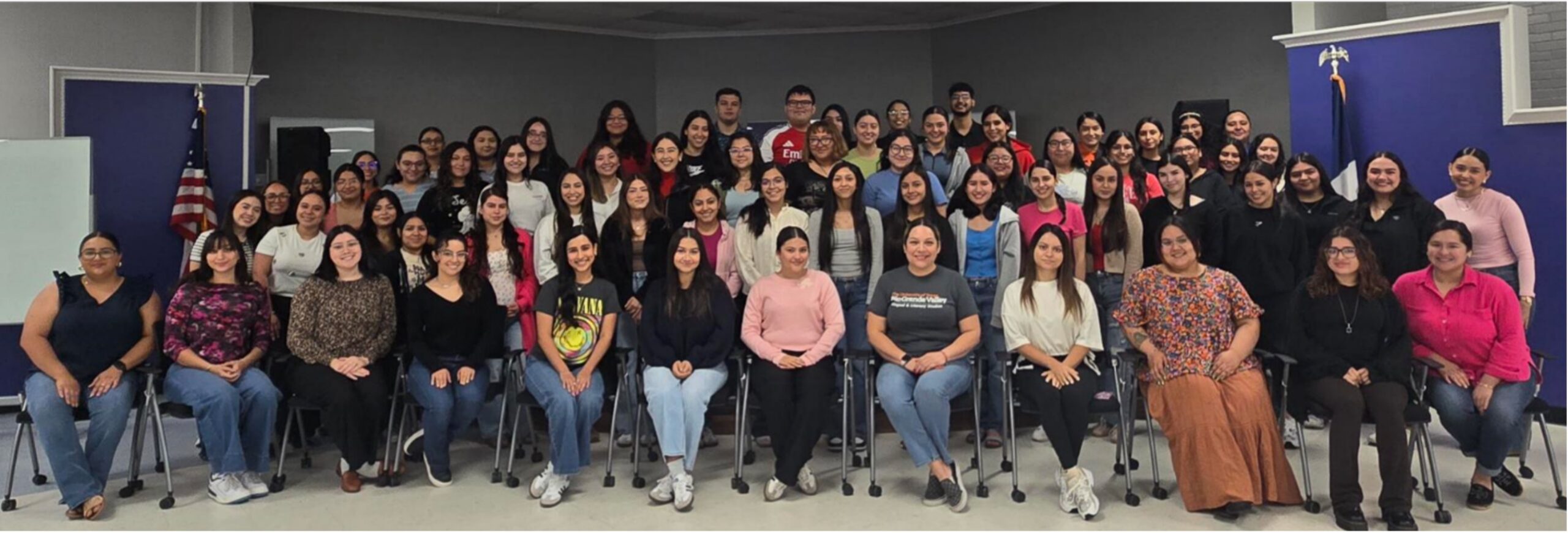
Today, the program serves more than 60 undergraduate teacher residents along with a growing cohort of master’s-level residents, with additional plans to expand into secondary education pathways. Current district partners span the Rio Grande Valley and include Harlingen CISD, McAllen ISD, La Joya ISD, Los Fresnos CISD, Lyford CISD, Vanguard Academy, Mercedes ISD, and Edcouch-Elsa ISD, with additional partnerships expected as the program continues to grow.
While the residency program focuses on preparing future classroom educators, UTRGV is also investing in the next generation of educational researchers and scholar-practitioners through expanded doctoral support structures within the College of Education and P-16 Integration.

Building a Culture of Research and Doctoral Success
Under the leadership of Associate Dean for Research and Doctoral Education, Dr. Noushin Nouri, UTRGV has developed a growing Research and Doctoral Education Initiative designed to strengthen scholarship, support doctoral student success, and contribute to the university’s long-term path toward Carnegie R1 classification.
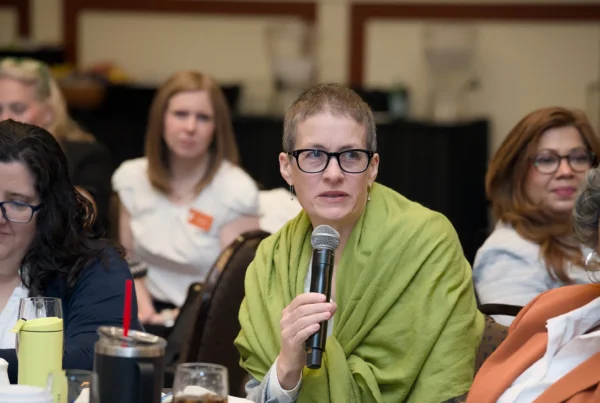
This initiative includes a series of targeted supports developed in response to the needs of doctoral students and faculty scholars within the College of Education and P-16 Integration. Among them are Saturday Doctoral Writing Sessions that provide dedicated writing time and peer support, Dissertation Bootcamps focused on accelerating degree completion, and Institutional Review Board (IRB) Support Clinics that help students and faculty navigate the research ethics review process with greater confidence.
These structures not only support productivity but also create community among doctoral students navigating the demands of research, writing, and professional growth. They reduce common barriers to research productivity while helping doctoral students sustain momentum toward completion. Current areas of focus include science education, culturally sustaining pedagogy, and AI literacy for STEM teachers.
The initiative also supports faculty and doctoral student engagement through scholarships, structured mentorship, grant development guidance, and collaborative research opportunities, including projects funded by the National Science Foundation. These efforts are all part of building a stronger culture of research collaboration and scholarly production.
Together, UTRGV’s Teacher Residency and Doctoral Support Initiatives reflect a broader institutional commitment to strengthening educational opportunity and research capacity throughout the Rio Grande Valley. Whether preparing future classroom teachers or supporting emerging researchers, the university’s approach emphasizes partnership, mentorship, and long-term investment in the educators, researchers, and school communities shaping the region’s future.
For more information on teacher residencies, contact Dr. Sara Ahmadi.
For more information on the doctoral support initiatives, contact Dr. Noushin Nouri.